
Parking Under Trees Is One of the Worst Things for Your Car
March 10, 2026
One-Man Car Detailing vs Detailing Teams: What’s Better for Your Vehicle?
May 12, 2026Do You Need to Detail a New Car? What Most Owners Get Wrong
April 2026
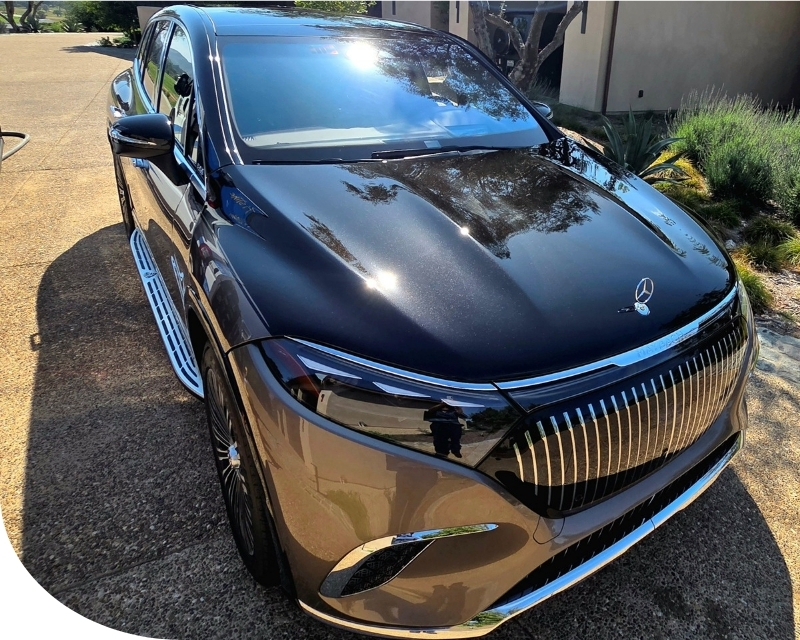
Buying a new car comes with a certain expectation. The paint looks glossy, the interior feels untouched and everything seems ready from day one. Most drivers assume there’s nothing left to do besides enjoy it.
In reality, new cars go through a lot before they reach your driveway. They sit on lots, get handled during transport, and often receive a quick dealership prep that focuses on appearance, not long-term protection. The result may look clean at a glance, but it’s rarely in the condition people think it is.
This is where many owners run into problems later. Waiting until the car starts to show wear usually means dealing with swirl marks, light contamination and fading that could have been avoided much earlier.
A proper detail early on helps preserve the finish, protect interior materials and make ongoing maintenance easier from the start.
What Most People Don’t Realize About New Cars
A new car may look flawless under showroom lighting, but that doesn’t mean the paint and interior are in perfect condition. By the time a vehicle reaches the dealership and gets handed over to you, it has already gone through multiple stages of handling.
Most cars spend time outdoors on dealer lots, often for weeks. During that time, they’re exposed to sun, dust, pollen, and, in coastal areas like San Diego, salt air. Even short exposure leaves a thin layer of contamination on the paint and glass.
Then comes the dealership prep. This is usually a quick wash and wipe-down designed to make the car look good for delivery. It’s not a detailed process, and it’s rarely done with paint preservation in mind. In many cases, the wash itself introduces light swirl marks, especially on darker colors.
From experience, some of the most common things found on “brand new” cars include:
- Light swirl marks from quick washes
- Fine dust or fallout bonded to the paint
- Residue in trim, badges, and panel gaps
- Interior plastics that were wiped but not properly cleaned
- Protective films or adhesives not fully removed
These aren’t major problems, but they set the baseline for how the car will age. If left untreated, regular driving and exposure build on top of them, making future correction more time-consuming and expensive.
Dealership Prep vs Professional Detailing
When you pick up a new car, it’s usually been “detailed” by the dealership. In reality, this process is designed for speed and presentation, not long-term care.
Dealership prep typically includes a quick exterior wash, light interior wipe-down and sometimes a basic wax. The goal is to make the car look clean for delivery, not to refine or protect surfaces.
Because of time constraints, this process often leads to small issues that aren’t obvious right away:
- Wash methods that introduce light swirl marks
- Residue left in trim, emblems, and tight areas
- No real decontamination of the paint
- Temporary shine products that wear off quickly
A professional detail focuses on the condition of the vehicle, not just how it looks at pickup. Even on a new car, that can include:
- Careful hand washing using paint-safe methods
- Removing bonded contaminants when needed
- Light polishing to refine the finish
- Applying ceramic sealant for protection
Interior work is usually minimal, but attention is still given to surfaces that were missed or quickly wiped during delivery prep.
The difference becomes noticeable over time. A properly detailed and protected vehicle stays easier to clean and holds its finish longer.
When It Actually Makes Sense to Detail a New Car
Not every new car needs the same level of detailing right away. Some can go months without issues, while others start showing light wear within weeks.
There are a few situations where detailing early makes a clear difference:
Dark or Sensitive Paint
Dark colors show swirl marks and fine scratches more easily. Even light handling can leave visible marks under sunlight.
Outdoor Parking
Cars parked outside pick up contamination faster from sun, dust, and environmental exposure.
Long-Term Ownership
Early protection helps maintain condition and reduces future maintenance effort.
Frequent Use
Daily commuting, beach trips or transporting pets adds wear quickly, even on a new interior.
After the First Few Weeks
Waiting a short period allows light buildup to appear, making it easier to address everything at once.
What Services Make Sense for a New Car
A new car doesn’t need heavy correction or deep restoration. The focus is on refining the finish and adding protection.
Exterior Detail with Ceramic Sealant
This is the most valuable service for a new car. It typically includes:
- Careful hand wash
- Clay bar treatment if needed
- Light polish when necessary
- Ceramic sealant application
Ceramic sealant helps protect against UV exposure, road film, and water spotting while making the car easier to maintain.
At Pristine Auto Detail, ceramic sealant is included in exterior and full detail services.
Protect Your New Car Before Wear Starts to Show
Mobile detailing in San Diego with ceramic protection, done at your home.
Light Interior Reset (When Needed)
Most interiors don’t need deep cleaning, but a light reset can help:
- Cleaning vents and tight areas
- Removing dust and residue
- Conditioning leather surfaces
Full Detail for a Clean Starting Point
For vehicles that have been on the lot longer or show handling marks, a full detail creates a clean, protected baseline for future care.
When Is the Best Time to Detail a New Car
Earlier is usually better.
Most vehicles benefit from detailing within the first 2–4 weeks, once initial handling marks and light buildup are visible.
Other good timing points include:
- Before daily commuting begins
- Before regular outdoor parking
- When small imperfections first appear
Starting early makes ongoing maintenance simpler.
Should You Detail Your New Car? Quick Check
You’ll likely benefit from detailing early if:
- Your car has dark paint
- It’s parked outside regularly
- You drive frequently or commute daily
- You plan to keep the car long-term
- You’ve noticed light swirl marks or rough paint
- You want easier maintenance moving forward